
Organ Transplant
ORGAN TRANSPLANT
Organ transplantation involves removing organs from a donor and transplanting them into someone who may be very ill or dying from organ failure. It can save the life of the person who receives the organ.
What are the four types of organ transplants?
The four different types are: living donation, deceased donation, tissue donation, and pediatric donation. The reality for many people on the organ transplant list is that the wait can be lengthy and uncertain. Living donation is one type of organ donation that offers another choice for transplant candidates.
Types of organ and tissue transplants
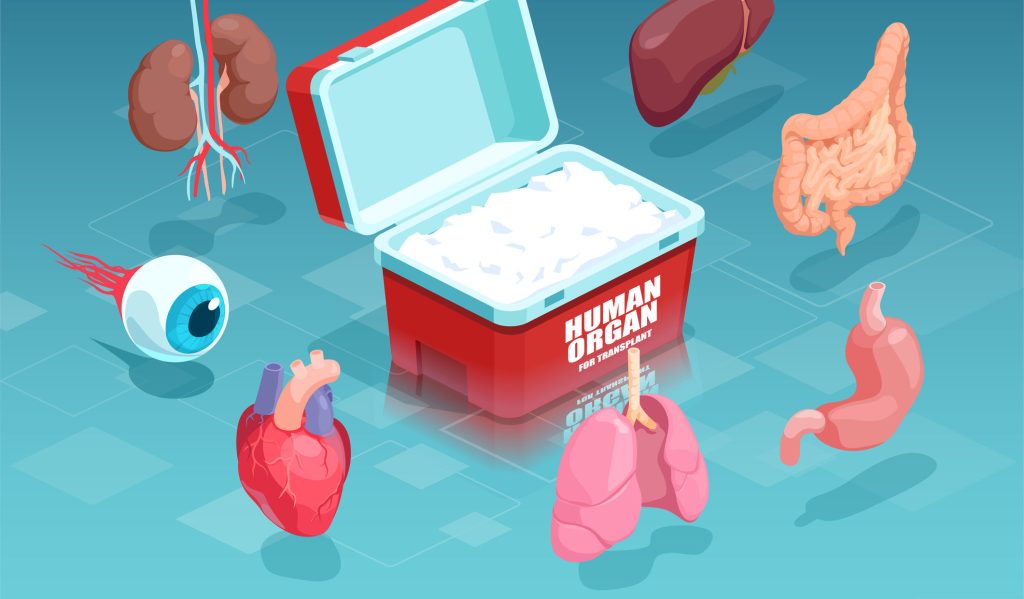
Organs that can be transplanted include the heart, kidneys, liver, lungs, intestine, and pancreas. Tissue can also be transplanted, including heart valves, bones, tendons, ligaments, skin, and parts of the eye.
When are organ transplants needed?
You may need an organ transplant if you have an organ that is not working any more (end-stage organ failure). An organ transplant is usually considered after other possible treatments have been tried. It may be an option if specialists think the transplant can save your life.
A transplant can also be used to improve someone’s quality of life—for example, a kidney transplant for someone who has experienced kidney failure. And a tissue transplant may, for example, help someone who has suffered severe burns to a sensitive area of skin, such as the face.
Who can donate organs and tissue?
People can donate organs when they die (a “deceased donor”), or they can donate a kidney or part of their liver while they are still alive (a “live donor”). A living donor is usually a relative or close friend of the person who needs a kidney or liver transplant.
Important issues to consider
Whether or not you have an organ transplant is for you, your family, and loved ones, as well as your healthcare team, to decide. It is important to understand your condition and the potential benefits and risks of an organ transplant, as with any medical treatment.
Life after an organ transplant
If you have had an organ transplant, you will probably need to take medications and have regular medical appointments for the rest of your life.
Rejection occurs when your body treats the transplanted organ as foreign and attacks it. Anti-rejection medications work on the immune system to stop this from happening. However, anti-rejection medicines may bring a higher risk of side effects, such as infection. You and your healthcare team will usually need to work together to balance the risk of organ rejection with the risk of side effects.
It is also important to live a healthy lifestyle to help your transplanted organ last as long as possible. This usually includes things such as eating healthy, not smoking, and getting enough physical activity. Your healthcare team will probably give you specific advice on taking care of your transplanted organ.
Impact on your emotions
An organ transplant can affect not just your body but also how you feel. Some people experience stress from possible organ rejection or side effects from medicines. Others find it difficult to adapt to their new situation.
It may help to speak with your healthcare team about how you feel following the procedure. You may also want to contact patient support groups to hear from people who have also had an organ transplant.