
Cardiology
CARDIOLOGY
Cardiology is the study and treatment of disorders of the heart and blood vessels. A person with heart disease or cardiovascular disease may be referred to a cardiologist.
Cardiology is a branch of internal medicine. A cardiologist is not the same as a cardiac surgeon. A cardiac surgeon opens the chest and performs heart surgery.
A cardiologist specializes in diagnosing and treating diseases of the cardiovascular system. The cardiologist will run tests and possibly carry out some procedures like heart catheterizations, angioplasty, or pacemaker insertion.
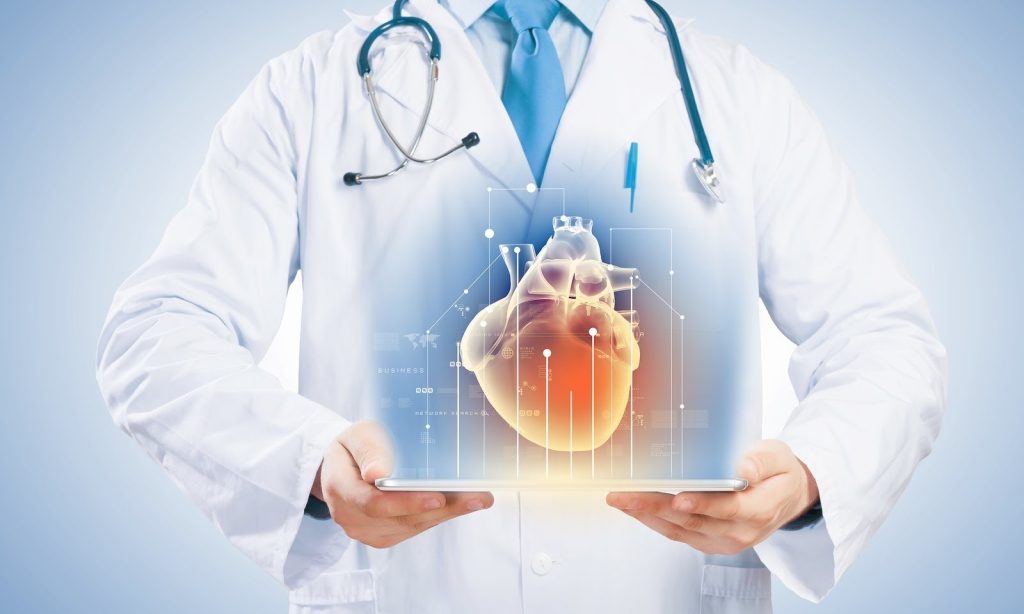
When do we need a cardiologist?
Symptoms that can indicate a heart problem include:
- ● shortness of breath
- ● dizziness
- ● chest pains
- ● changes in heart rate or rhythm
- ● high blood pressure
- Tests for a heart murmur or an abnormal heart rhythm can be performed by a cardiologist
Types of cardiology
Cardiology can be divided into three main categories: invasive, non-invasive, and interventional. To diagnose and treat your heart condition, your cardiologist may employ a single technique or a combination of them.
What is invasive cardiology?
Invasive cardiology uses open or minimally-invasive surgery to identify or treat structural or electrical abnormalities within the heart’s structure.
Common types of invasive cardiology:
When plaque clogs your arteries, it becomes difficult for blood to flow normally. Angioplasty inserts a tiny balloon into your clogged vein and pushes plaque against the walls, allowing for increased blood flow.
Stenting is usually done in conjunction with angioplasty. A cardiac stent is a small metal coil which permanently holds a clogged vein open.
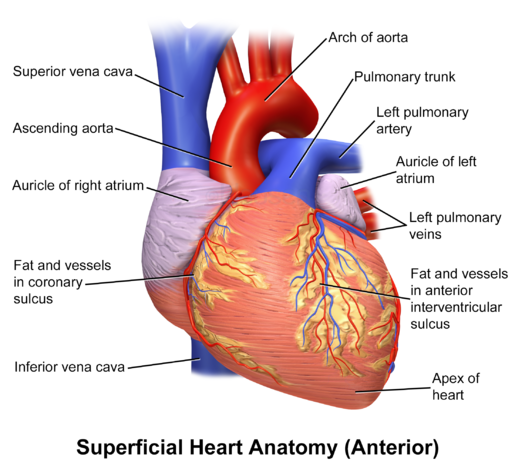
What is Non-Invasive cardiology?
Cardiologists can diagnose heart issues without inserting any tools, fluids, or needles into the body. This is known as non-invasive cardiology.
Non-invasive cardiologists utilize techniques such as:
A non-invasive study of cardiovascular disorders by means of various types of imaging which may use radioactive elements.
The usage of ultrasound waves to create images of the heart and surrounding structures in order to identify how well the heart pumps blood, infections, and structural abnormalities.
Study and testing of the electrical currents which generate heartbeats.
Stress testing usually involves exercise which is monitored by your cardiologist. These exercises provide your cardiologist information about how your heart performs under physical stress.
Heart monitors may also be called a Holter monitor or cardiac event recorder. Heart monitors are essentially tape recorders for your heart’s electrical activity over a set amount of time.
CT scans produce images which your cardiologist can examine for heart disease and atherosclerosis.
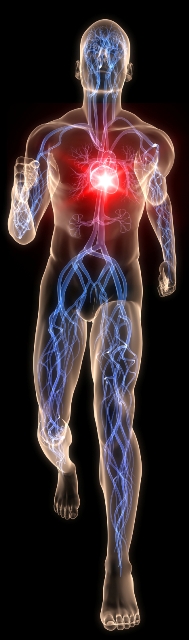
Heart diseases that a cardiologist can help with include:
- atherosclerosis and
- atrial fibrillation
- arrhythmias
- congenital heart disease
- coronary heart disease
- congestive heart disease
- high blood cholesterol and triglycerides
- hypertension
- pericarditis
- ventricular tachycardia
- high blood pressure, or hypertension
The cardiologist can give advice about preventing heart disease.
Benefits of cardiology
Cardiologists can help many of their patients improve their quality of life. These physicians can help patients experiencing shortness of breath or irregular heart rhythms. They can provide treatment options to help patients with congestive heart failure.